The Science Behind
Every Capsule
A synthesis of the peer-reviewed literature behind oral NMN, its physiological effects across aging, metabolism, vascular health, muscle, cognition, skin and fertility.

Executive Summary
This interactive report summarises current scientific consensus regarding Nicotinamide Mononucleotide (NMN). NMN is a biologically active nucleotide and a direct precursor to Nicotinamide Adenine Dinucleotide (NAD+), a critical coenzyme found in all living cells. NAD+ is essential for cellular metabolism, mitochondrial function, and the activation of sirtuins, proteins associated with longevity.
Research across murine (mouse) models and emerging human clinical trials suggests that supplementing NMN can effectively elevate intracellular NAD+ levels, mitigating several age-associated physiological declines. The sections below provide a foundational understanding of the mechanism before exploring specific data.
The Fundamental Problem:
Age-Related NAD+ Decline
To understand the efficacy of NMN, we must examine the biological problem it addresses. Scientific literature uniformly agrees that NAD+ levels in liver, skeletal muscle, brain, skin and ovaries decline significantly with chronological age, compromising energy metabolism and cellular repair.
Data representation aggregated from multiple human tissue analyses showing exponential decay of NAD+ levels.
The Counterpoint:
NAD+ Restored
Oral NMN supplementation at a clinical dose reverses the trajectory. In the Yi 2023 randomised trial, 60 days of clinically-dosed β-NMN raised blood NAD+ dose-dependently versus placebo (p < 0.001), with no adverse events above placebo across the trial. Nadosei delivers 500 mg β-NMN per serving, the centre of that clinically active range.
Illustrative restoration trajectory for a depleted adult supplementing with Nadosei (500 mg β-NMN/day) over 60 days. Magnitudes scaled to the dose-response reported in Yi et al. 2023 (GeroScience).
Observed Effects of NMN
This section categorises the biological impacts of NMN administration observed in peer-reviewed studies. Select a physiological system to explore specific findings, observed metrics, and the current phase of research. Click the bracketed numbers to jump directly to the academic source.
Metabolic Function & Insulin Sensitivity
NMN has been shown to significantly improve glucose tolerance and lipid profiles in diet-induced and age-induced diabetic mouse models [2]. Notably, a 2021 double-blind clinical trial demonstrated that NMN supplementation increased muscle insulin sensitivity in prediabetic, postmenopausal women, marking a crucial translation from animal models to humans [1].
Observed Metric Improvements (Model Averages)
Mice to Men
While the biochemical mechanism of NMN is robust, it is vital to contextualise the evidence. The vast majority of dramatic age-reversal and disease-mitigation data stems from murine (mouse) models.
Human clinical trials are currently in their infancy. Phase I and early Phase II trials have primarily established safety, tolerability, and the successful elevation of human blood NAD+ levels. Efficacy trials for specific disease endpoints in humans are ongoing.
Clinically-Backed
Ingredients
Each ingredient at a clinical dose, supported by published research. Tap any card to read the science behind it.
β-NMN
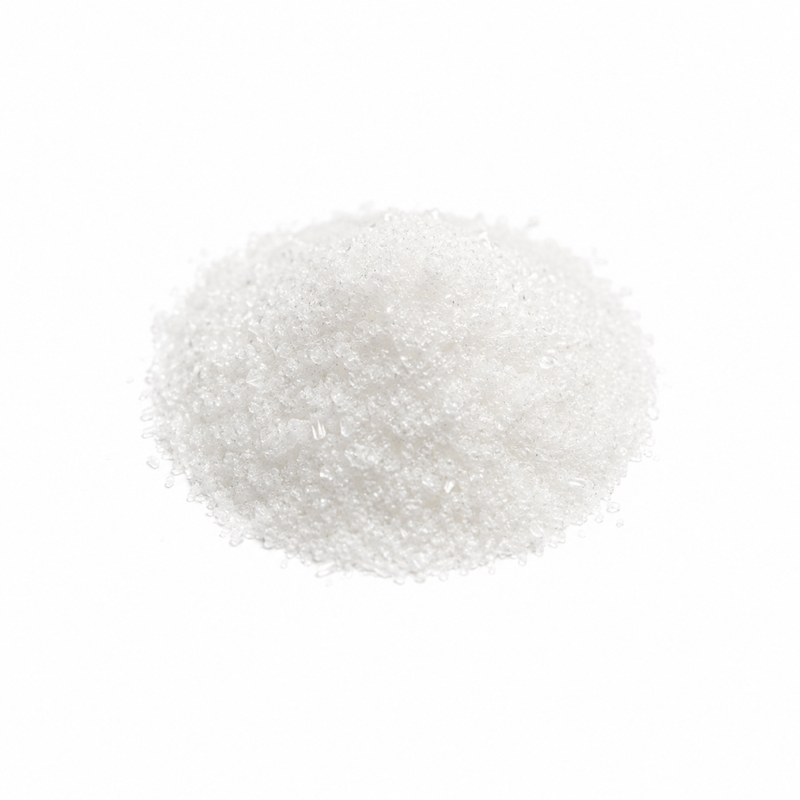
Restores NAD+, the molecule every cell uses to make energy
Restores NAD+, the molecule every cell uses to make energy
TMG
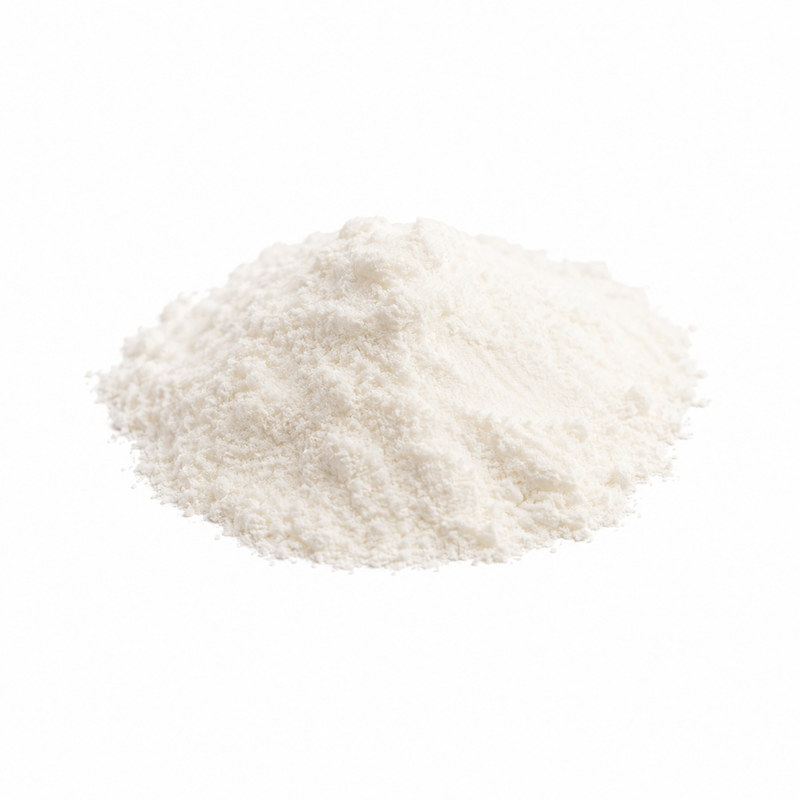
Replenishes the methyl groups NMN consumes during metabolism
Replenishes the methyl groups NMN consumes during metabolism
Quercetin
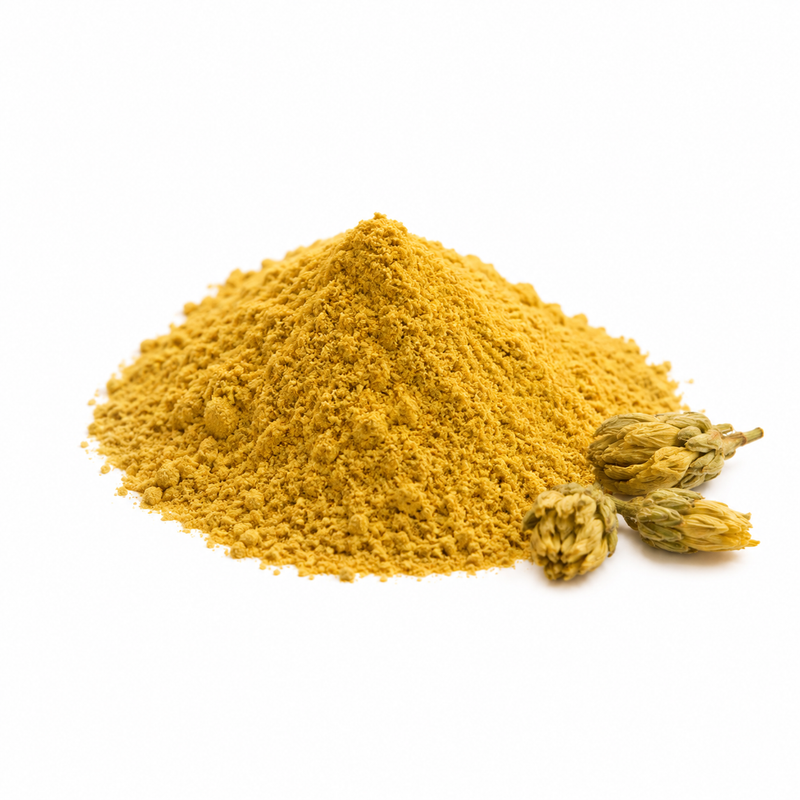
Helps clear the aging "zombie" cells that drive inflammation
Helps clear the aging "zombie" cells that drive inflammation
Green Tea Extract
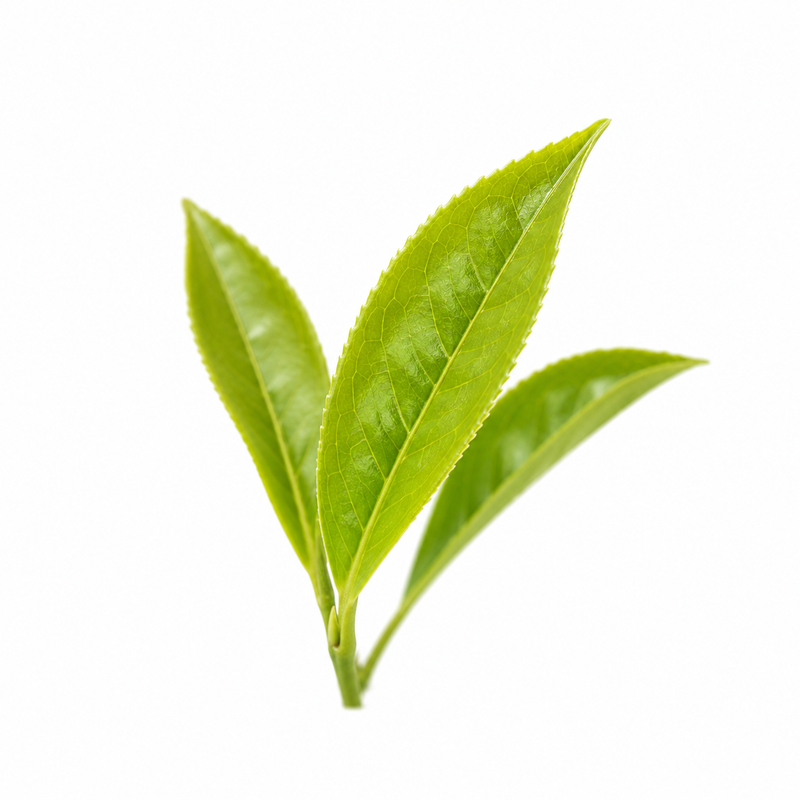
EGCG protects mitochondria and supports cognitive function
EGCG protects mitochondria and supports cognitive function
Trans-Resveratrol

Activates sirtuins, the longevity proteins NAD+ powers
Activates sirtuins, the longevity proteins NAD+ powers
Academic References
The data and observations presented above are synthesised from the following peer-reviewed publications. Click any inline citation to jump to the source.
-
01
Yoshino, J., et al. (2021). “Nicotinamide mononucleotide increases muscle insulin sensitivity in prediabetic women.” Science, 372(6547), 1224–1229.First randomised clinical trial showing metabolic benefits in humans.
-
02
Mills, K. F., et al. (2016). “Long-Term Administration of Nicotinamide Mononucleotide Mitigates Age-Associated Physiological Decline in Mice.” Cell Metabolism, 24(6), 795–806.Established broad, multi-organ benefits of chronic NMN in aged mice.
-
03
Igarashi, M., et al. (2022). “Chronic nicotinamide mononucleotide supplementation elevates blood NAD+ levels and alters muscle function in healthy older men.” npj Aging, 8(1), 5.Confirmed safety and measurable physical-performance alterations in older male cohorts.
-
04
Tarantini, S., et al. (2019). “Nicotinamide mononucleotide (NMN) supplementation rescues cerebromicrovascular endothelial function and neurovascular coupling responses and improves cognitive function in aged mice.” Redox Biology, 24, 101192.Demonstrated vascular and cognitive rescue mechanisms via NAD+ restoration.
-
05
Zhou, X., et al. (2021). “Nicotinamide mononucleotide protects against UVB-induced skin damage and photoaging.” Journal of Dermatological Science, 102(2), 105–112.Highlighted the protective effects of NMN on epidermal barrier and collagen preservation against UV stress.
-
06
Bertoldo, M. J., et al. (2020). “NAD+ Repletion Rescues Female Fertility during Reproductive Aging.” Cell Reports, 30(6), 1670–1681.Demonstrated that restoring NAD+ levels in aged mice rescues oocyte quality and restores fertility parameters.
-
07
Yoshino, J., et al. (2011). “Nicotinamide mononucleotide, a key NAD+ intermediate, treats the pathophysiology of diet- and age-induced diabetes in mice.” Cell Metabolism, 14(4), 528–536.
-
08
Das, A., et al. (2018). “Impairment of an endothelial NAD+-H2S signaling network is a reversible cause of vascular aging.” Cell, 173(1), 74–89.e20.
-
09
Kiss, T., et al. (2020). “Nicotinamide mononucleotide (NMN) supplementation promotes neurovascular rejuvenation in aged mice: transcriptional footprint of SIRT1 activation, mitochondrial protection, anti-inflammatory, and anti-apoptotic effects.” GeroScience, 42(2), 527–546.
-
10
Liao, B., et al. (2021). “Nicotinamide mononucleotide supplementation enhances aerobic capacity in amateur runners: a randomized, double-blind study.” Journal of the International Society of Sports Nutrition, 18(1), 54.
-
11
Miao, Y., et al. (2020). “Nicotinamide mononucleotide supplementation reverses vascular cognitive impairment, neurovascular dysfunction and neuroinflammation in aged mice.” Aging Cell, 19(10), e13279.
-
12
Guan, Y., et al. (2017). “Nicotinamide mononucleotide, an NAD+ precursor, rescues age-associated susceptibility to AKI in a sirtuin 1–dependent manner.” Journal of the American Society of Nephrology, 28(8), 2337–2352.
-
13
Yamamoto, T., et al. (2014). “Nicotinamide mononucleotide, an intermediate of NAD+ synthesis, protects the heart from ischemia and reperfusion.” PLoS One, 9(6), e98972.
-
14
de Picciotto, N. E., et al. (2016). “Nicotinamide mononucleotide supplementation reverses vascular dysfunction and oxidative stress with aging in mice.” Aging Cell, 15(3), 522–530.
-
15
Wang, X., et al. (2016). “Nicotinamide mononucleotide protects against β-amyloid oligomer-induced cognitive impairment and neuronal death.” Brain Research, 1643, 1–9.
-
16
Wei, C. C., et al. (2017). “Nicotinamide mononucleotide attenuates brain injury after intracerebral hemorrhage by activating Nrf2/HO-1 signaling pathway.” Scientific Reports, 7(1), 717.
-
17
Song, J., et al. (2019). “Nicotinamide mononucleotide promotes osteogenesis and reduces adipogenesis by regulating mesenchymal stromal cells via the SIRT1 pathway in aged bone marrow.” Cell Death & Disease, 10(5), 336.
-
18
Caton, P. W., et al. (2011). “Nicotinamide mononucleotide protects against pro-inflammatory cytokine-mediated impairment of mouse islet function.” Diabetologia, 54(12), 3083–3092.
-
19
Nadeeshani, H., et al. (2022). “Nicotinamide mononucleotide (NMN) as an anti-aging health product—Promises and safety concerns.” Journal of Advanced Research, 37, 267–278.
-
20
Poddar, S. K., et al. (2019). “Nicotinamide mononucleotide: exploration of diverse therapeutic applications of a potential molecule.” Biomolecules, 9(1), 34.
-
21
Okabe, K., et al. (2019). “Implications of altered NAD metabolism in metabolic disorders.” Journal of Biomedical Science, 26(1), 34.
-
22
Katsyuba, E., et al. (2020). “NAD+ homeostasis in health and disease.” Nature Metabolism, 2(1), 9–31.
-
23
Rajman, L., et al. (2018). “Therapeutic potential of NAD-boosting molecules: the in vivo evidence.” Cell Metabolism, 27(3), 529–547.
-
24
Verdin, E. (2015). “NAD⁺ in aging, metabolism, and neurodegeneration.” Science, 350(6265), 1208–1213.
-
25
Yoshino, J., et al. (2018). “NAD+ intermediates: the biology and therapeutic potential of NMN and NR.” Cell Metabolism, 27(3), 513–528.
-
26
Gomes, A. P., et al. (2013). “Declining NAD+ induces a pseudohypoxic state disrupting nuclear-mitochondrial communication during aging.” Cell, 155(7), 1624–1638.
-
27
Stromsdorfer, K. L., et al. (2016). “NAMPT-mediated NAD+ biosynthesis in adipocytes regulates in vivo lipolysis and lipid release.” Cell Reports, 16(7), 1851–1860.
-
28
Yaku, K., et al. (2018). “NAD metabolism: implications in aging and longevity.” Ageing Research Reviews, 47, 1–17.
-
29
Imai, S., & Guarente, L. (2014). “NAD+ and sirtuins in aging and disease.” Trends in Cell Biology, 24(8), 464–471.
-
30
Fang, E. F., et al. (2017). “NAD+ in aging: molecular mechanisms and translational implications.” Trends in Molecular Medicine, 23(10), 899–919.
-
31
Irie, J., et al. (2020). “Effect of oral administration of nicotinamide mononucleotide on clinical parameters and nicotinamide metabolite levels in healthy Japanese men.” Endocrine Journal, 67(2), 153–160.First-in-human Japanese clinical safety and pharmacokinetic study, confirming oral NMN is safely absorbed and metabolised at doses up to 500 mg.
-
32
Pencina, K. M., et al. (2023). “MIB-626, an oral formulation of a microcrystalline unique polymorph of β-nicotinamide mononucleotide, increases circulating nicotinamide adenine dinucleotide and its metabolome in middle-aged and older adults.” The Journals of Gerontology: Series A, 78(1), 90–96.Randomised, placebo-controlled trial in middle-aged and older adults showing oral NMN significantly raised circulating NAD+ and its metabolites with no serious adverse events.